

Money isn’t just about how much you earn—it’s also about how you manage it. Surprisingly, one of the most powerful tools for achieving financial freedom isn’t a new investment strategy or budgeting app; it’s the simple act of saying no. Learning to set boundaries around spending, borrowing, and lifestyle choices can protect your finances and give you more control over your life. While saying no can feel uncomfortable at first, it’s a skill that pays off in the long run, helping you save money, reduce stress, and prioritize what truly matters.
Understanding the Power of No
Saying no is more than just turning down a purchase—it’s about reclaiming your financial autonomy. Every dollar you spend is a choice, and by refusing unnecessary expenses, you’re asserting control over your future. Learning to say no allows you to avoid impulsive decisions driven by social pressure, advertising, or fleeting trends. It’s a reminder that your financial goals take priority over momentary desires, and that true freedom comes from making intentional choices rather than reacting to every opportunity to spend.
Social Pressures and Spending

One of the biggest challenges in maintaining financial boundaries comes from social expectations. Whether it’s friends inviting you out for drinks, colleagues suggesting group gifts, or family members asking for loans, saying yes can feel easier than disappointing others. However, giving in repeatedly can drain your finances and undermine your long-term goals. Setting clear boundaries and politely declining requests is not selfish—it’s a way to ensure you remain financially stable. Over time, people will respect your choices, and you’ll gain confidence in prioritizing your own financial health.
Avoiding Impulse Purchases
Impulse buying is a silent money thief, and saying no is a direct antidote. Retailers and online platforms are designed to trigger quick decisions, offering limited-time discounts, flashy notifications, or enticing recommendations. By learning to pause and evaluate whether a purchase aligns with your financial goals, you create space to make intentional choices. Sometimes saying no means taking a moment to reflect, waiting 24 hours before buying, or simply skipping items that aren’t truly necessary. These small decisions accumulate, freeing up money for savings or investments.
Setting Boundaries With Subscriptions and Bills
Monthly subscriptions and recurring bills often go unnoticed until they add up to significant amounts. Saying no doesn’t always mean refusing something in the moment—it can mean evaluating ongoing commitments. Canceling unused memberships, reducing premium services, or negotiating bills is a form of saying no to hidden financial drains. These small adjustments may seem minor, but they contribute to a clearer picture of your finances and give you more flexibility to save or invest in what matters most.
Saying No to Lifestyle Inflation
As income grows, lifestyle inflation—the tendency to spend more as you earn more—can quietly erode financial freedom. Many people upgrade their cars, homes, or gadgets with each raise, thinking it’s a reward for hard work. Saying no to unnecessary upgrades helps you maintain financial discipline and keeps your wealth building steadily. Boundaries around lifestyle choices …

 With quick and easy steps, all you have to do is click on your computer, tablet, or phone, and within a few minutes, you are ready and registered for the classes. You can register from anywhere, and your teen can study from anywhere. Unlike the physical classes, your teen can study from anywhere; if they have tight courses and exams, they will not have to miss out on any courses as all they do is choose classes that are convenient and align with their schedule.
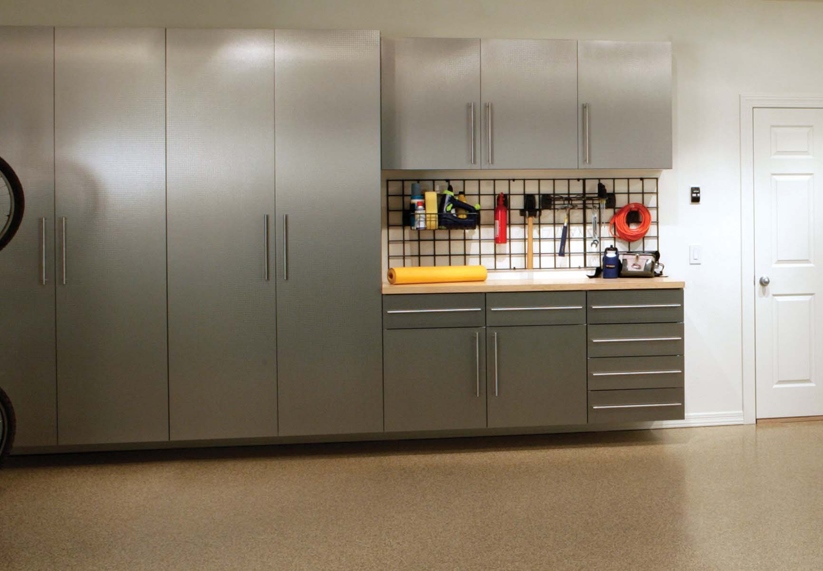
 These are very attractive. The cost for these cabinets varies depending on the type of wood. Usually, they are made from different materials such as fiberboard, and particleboard. They are also classified as the wooden cabinets. Those made of regular wood are more expensive as compared to those made from fiberboard or particleboard. Moreover, regular wood cabinets are more durable than other types of wood materials.
 When storing things in your garage, they should be kept off-the-floor. This is because water and other fluids can damage things placed on the floor. Thus, to avoid this, your garage storage cabinets should be off the floor. Moreover, this makes it easy to clean the place and enhance the organization and appearance of your garage.
 Nearly all banks operate during the daytime, but some will open and close the doors to its customers earlier than the others. In recent times, there has been the emergence of banks that operate 24 hours a day, thanks to the 24-hour economy. You can put all these into consideration, depending on your needs. For example, if you run a business that operates 24 hours a day, it may be wise to open an account with the banks that operate for the 24 hours.…
 After spending so much money on your luxury watch, you deserve a warranty that lasts a while to give you peace of mind. You should be able to take your watch back for replacement or repair in case you encounter any problem with it. Take your time to read all the details of the warranty, including the fine print, and only make your purchase if you are satisfied with it.…